


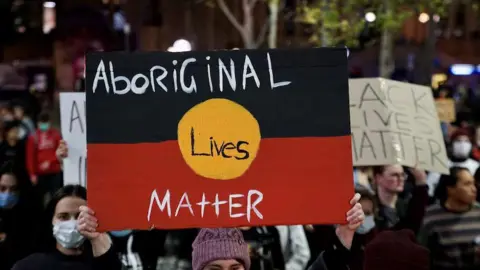
The count of First Nations people dying while in custody in Australia has reached its peak point since the beginning of records began in 1980.
New figures show that 33 of the 113 individuals who passed away in custody in the 12-month period ending in June have been identified as of Aboriginal or Torres Strait Islander descent. This represents an increase from 24 fatalities in the prior corresponding period.
Aboriginal and Torres Strait Islander people remain disproportionately overrepresented in the criminal justice system. They constitute more than one-third of all incarcerated individuals, despite comprising less than four per cent of the national people.
These concerning numbers emerge more than three decades after a landmark inquiry into First Nations deaths in custody, which made hundreds of proposed changes.
Breakdown of the Latest Statistics
Of the 33 Aboriginal deaths in custody recorded between last July and this June, twenty-six occurred while in prison custody, which is an increase from 18 in the previous year.
A single death was in a juvenile facility, and the vast majority of the individuals were male.
The other six deaths happened in the custody of law enforcement, defined as a situation where someone passes away while police are detaining them.
The primary cause of First Nations deaths was categorised as "self-inflicted," followed by "natural causes." The data noted that asphyxiation was the method in eight of the cases.
State-by-State Breakdown
The state of New South Wales had the greatest number of Aboriginal deaths in prison custody with nine, then Western Australia with six. Queensland, South Australia, and the Australian Capital Territory all recorded three deaths.
The increasing number of Indigenous deaths in custody in this state is a "deeply distressing tragedy," the state's chief medical examiner has remarked.
In a recent statement, Coroner Teresa O'Sullivan emphasised that this upward pattern was not "mere statistics" and that these deaths demanded "thorough and careful examination, respect and responsibility."
Demographic Details and Expert Response
The average age of those who died was 45, and 11 of the deceased were awaiting a sentence.
A criminal law associate professor, Amanda Porter, characterised the figures as reflecting a "country-wide emergency" that needs "leadership and government action."
Ms. Porter, who has been present at multiple official inquiries with bereaved families, said very little has changed since the 1991's national inquiry that aimed to address this issue.
"It's infuriating to witness the number of investigations I attend, the number memorials families have to attend, and the reality that we are three decades past the inquiry, and the problem is getting increasingly more severe," she noted.
From the time of the royal commission, a total of 600 Indigenous people have lost their lives in detention, which encompasses six in juvenile detention centers, according to the report.


